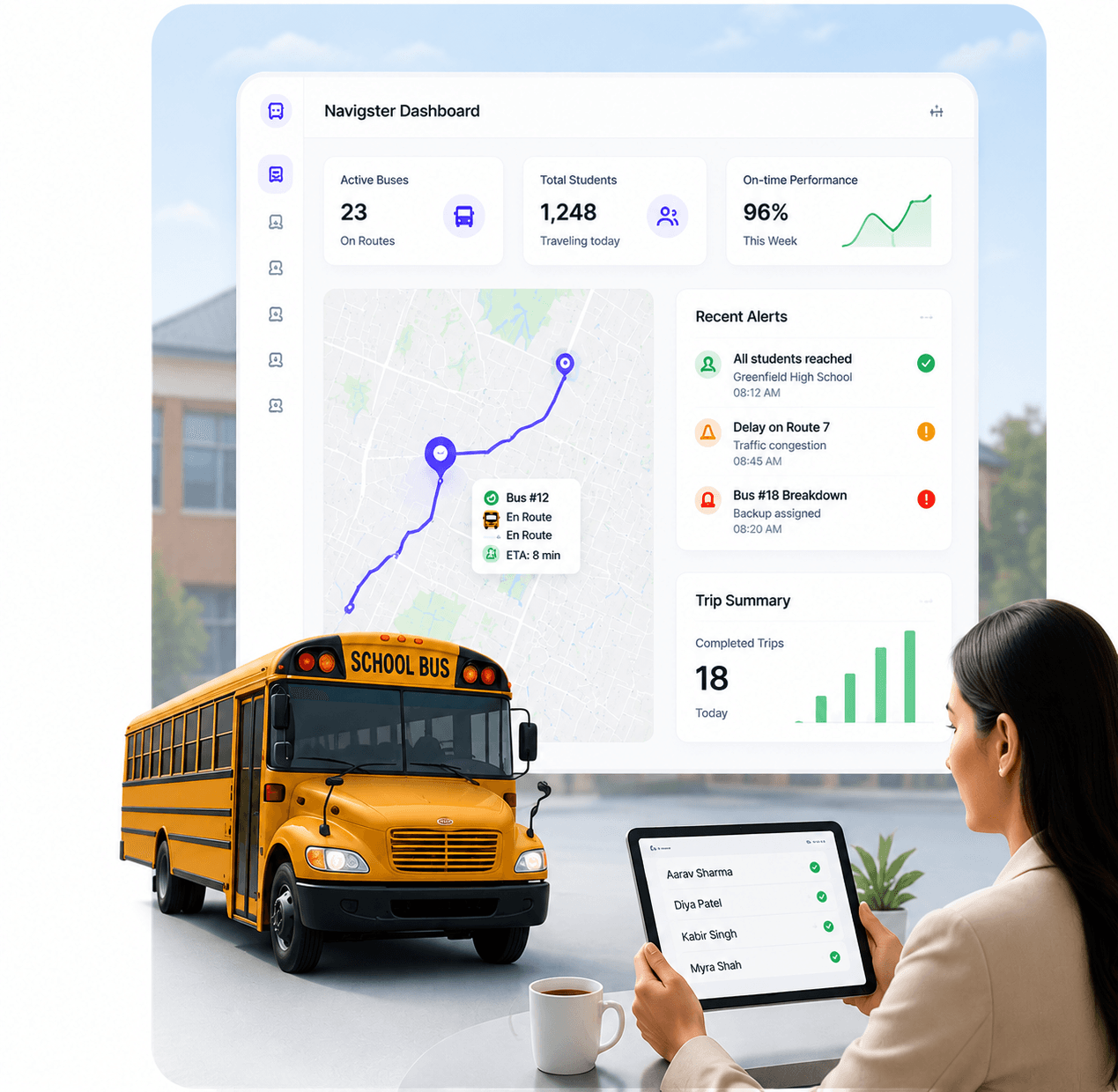
How the Transport
Governance System Works
A state-driven lifecycle ensures total institutional control. No manual overrides. No blind spots.
Define routes, assign vehicles, and set institutional policies. Every parameter is versioned and auditable from day one.
Step 1 of 5Planning Creates Predictable Journeys
Before the wheels start turning, Navigster's planning engine prepares every detail — routes, drivers, vehicles, and stops — to ensure a safe, efficient and predictable journey for everyone.
Route Optimized
Smart route planning ensures the best path with on-time arrivals.
Driver Assigned
Only verified and trusted drivers are assigned to every journey.
Vehicle Ready
Vehicle health, documents and capacity are verified before activation.
Parents Informed
Parents are notified automatically with trip and ETA details.
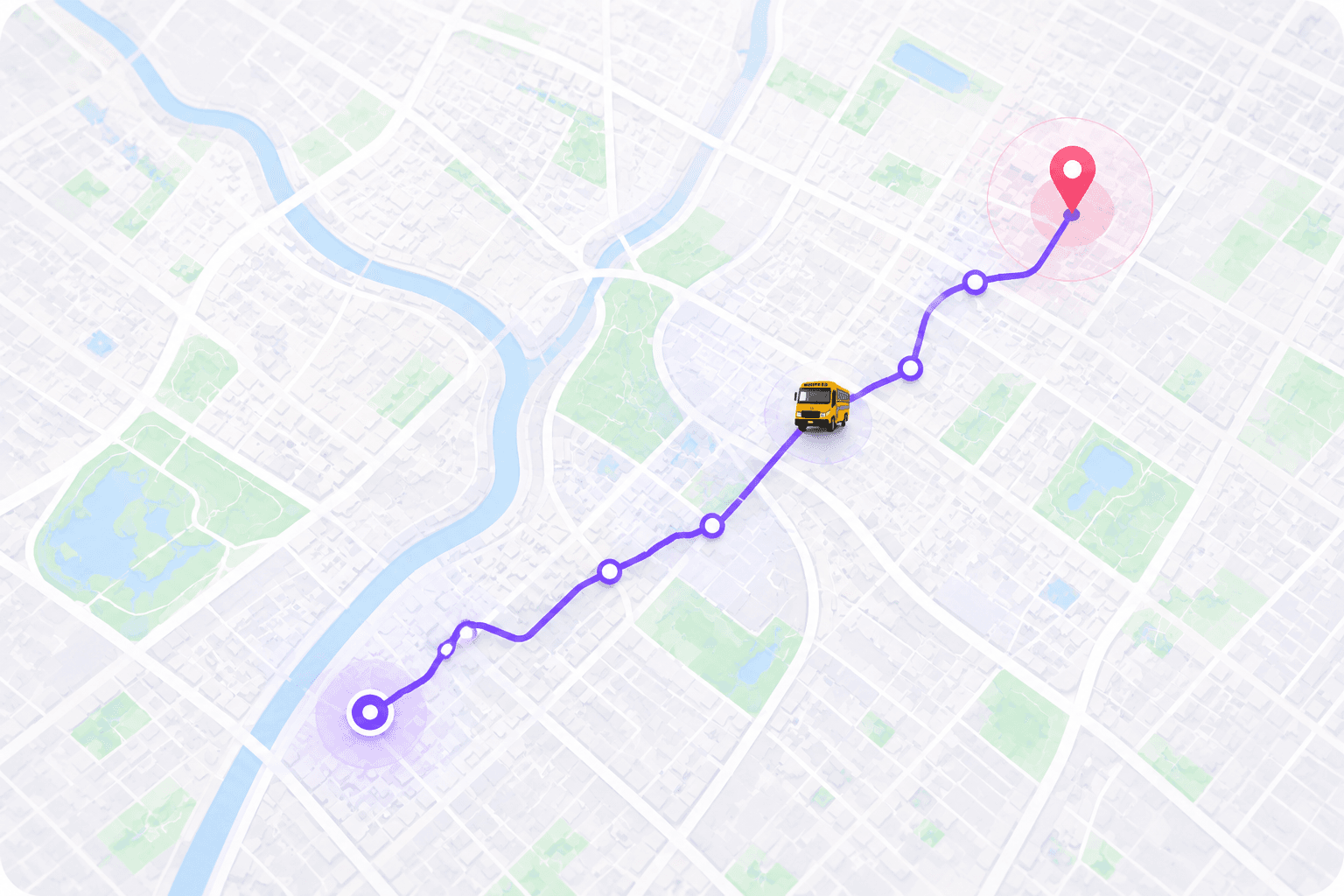
Today's Route
Green Valley School
Morning Shift • 24 Stops
Driver Assigned
Rajesh Kumar
VerifiedVehicle Ready
AP09 XX 4523
ReadyStops Configured
24 Stops
2 Pickups • 2 DropsParents Notified
Notifications
Sent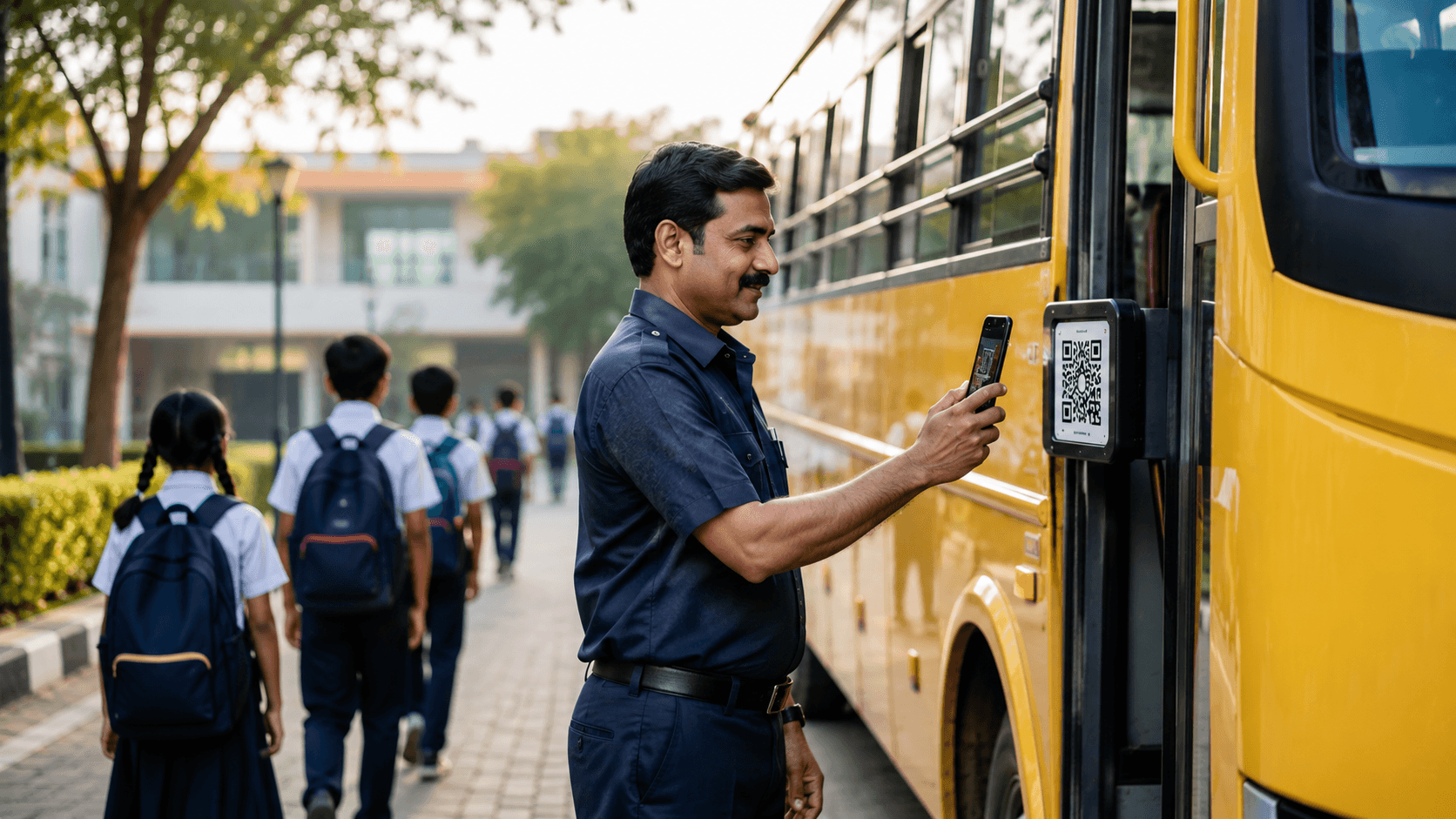
Only the Right Driver Can Start the Journey.
Before every trip begins, Navigster verifies that the assigned driver is physically present with the correct vehicle. Only after successful verification does the journey become active, giving schools and parents complete confidence from the very first moment.
Assigned Driver
Only the scheduled driver can activate the trip.
Vehicle Verified
Driver and vehicle must match and be fully compliant.
QR Scan
Physical presence is required to prevent misuse.
Journey Activated
Parents receive instant notification when the trip starts.
Every trip starts with trust.
Before any student boards the bus, the driver, vehicle, and route are verified together.
Every active journey, fully monitored
Once a trip is activated, Navigster continuously monitors vehicle movement, route progression, stop activity, GPS health, and operational status — giving administrators complete oversight and authorized users accurate journey information in real time.
STEP 01 / 08
Driver starts the journey
- Driver verifies identity with a QR code
- Trip opens only after verification succeeds
- School sees the bus go active, instantly
Stay Informed When Something Changes
From delayed departures to unexpected route changes, Navigster automatically detects critical events and instantly notifies school administrators, transport managers, drivers, and parents—helping everyone respond quickly while keeping students safe.
Late Trip Detection
Receive instant alerts whenever a scheduled trip starts later than expected.
Vehicle Breakdown Alerts
Immediately notify administrators and dispatch backup transportation when required.
Safe Arrival Confirmation
Automatically confirm when every student reaches school or home safely.
Instant Notifications
Parents, drivers and school staff receive updates at exactly the right time.
Mechanical Breakdown: Bus #42
Engine failure reported at Sector B Hub. Verification required for student transfer.
Trip Status: Modified
Vehicle swap in progress. Expected delay: 15 minutes. Location updated.
All Students Reached School Safely
The morning trip has been completed successfully. Parents received arrival confirmation.
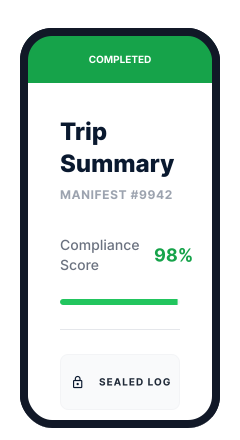
Every Journey Ends WithComplete Visibility
Once the final student reaches school safely, Navigster automatically completes the trip and generates a detailed journey summary. Schools can instantly review attendance, route history, timings and important trip events, while parents receive arrival confirmation without any manual follow-up.
Student Arrival Confirmed
Arrival status is automatically recorded and shared with parents and school administrators.
Complete Trip History
Access route timelines, attendance records, pickup and drop events whenever required.
Automatic Parent Updates
Parents are notified as soon as the journey is completed, building confidence and reducing enquiry calls.
Secure Records
Every completed trip is securely stored for future reports, audits and operational review.
Safer Journeys.
Happier Parents.
Smarter Schools.
Join hundreds of schools that trust Navigster to manage their transportation with complete visibility and control.
Every student protected
Parents always informed
Save time for what matters
Data that drives better decisions



Trusted by 500+ schools across India